
"China imports"
7000 article(s) found

Coffee Culture in Shanghai the Development of Coffee Culture in China
Coffee is an imported product. In the early years, coffee was translated into a variety of names, and even fattened. With the opening of Shanghai, coffee sprang up in the concession. Many fashionable Shanghainese also go to taste fresh, often complaining bitterness and shouting that it tastes as bad as cough potion. However, with the popularity of western food in Shanghai, coffee is gradually accepted by most people. By Zhu Wenbing.

Multinational companies are bullish on the Chinese market Starbucks KFC relies on the Chinese market
Ambitious Starbucks is expanding in China, but customer lingering is a big obstacle to Starbucks' expansion in China, it was reported on Wednesday. Customers love these stores so much that they sit hour after hour, sometimes without even buying a cup of coffee. In fact, although these multinationals are expanding at an alarming rate in China, their sales in China account for their global sales.

Yunnan Manlaojiang Coffee Manor is just to awaken your beauty.
Yunnan Jisi Trading Co., Ltd. was established in April 2006, the company's business scope is: domestic trade, material supply and marketing; import and export of goods and technology; processing of agricultural products; is a comprehensive import and export enterprise mainly engaged in coffee, cassava and other cash crops processing and sales, and obtained the record certificate of export food production enterprises in the State Commodity Import and Export Inspection and Quarantine Bureau. Public

With the rapid development of coffee in China, there has been a qualitative breakthrough in the planting area and total output.
According to current market data, emerging countries represented by China, Brazil, Russia, India and South Africa currently consume 20% of the world's coffee, which will reach 35% by 2020. Domestic consumers have a growing demand for coffee. In recent years, the world coffee giants have seized the Chinese market, and domestic coffee companies have also begun to build local coffee brands.

The Development History of Coffee in China-- an introduction to the Cultural process
The Development History of Coffee in China-- introduction to the Cultural process with the popularity of coffee, a drink with a long history, coffee is being accepted by more and more Chinese people. Some data show that China's coffee consumption is increasing year by year, and is expected to become an important coffee consumer in the world. Today, Yunnan coffee produced in China's own land, with its noble quality, low-cost
Chinese Tea Culture and French Coffee Culture
Fifty years ago, China formally established diplomatic relations with France. In the bipolar pattern in the 1960s, this breakthrough caused a sensation in the world. Great progress has been made in the economic, political and cultural exchanges between China and France over the past 50 years. Today I want to compare the difference between Chinese tea culture and French coffee culture. As we all know, tea and coffee have become two important drinks popular all over the world.

China's local coffee brand-Pacific Coffee joins Pacific Coffee what is the best?
For more information on coffee beans, please follow the Coffee Workshop (Wechat official account cafe_style) Pacific Coffee, a Hong Kong cafe with a slightly artistic and serious appearance. Since entering the mainland in 2011, it has opened 164stores (307stores worldwide), becoming the only one from the United States.

How to grind small coffee beans into billions of yuan of "gold powder"
Follow Kaiping (official Wechat account vdailycom) found that Chongqing, where Beautiful Cafe opened its own shop and did not produce a single coffee bean, became the largest electronic coffee trading platform in China. On June 29th, a press delegation of online activities with the theme of dancing the Yangtze River Economic Belt came to the Chongqing Coffee Exchange Center in Liangjiang New area to explore the secret of coffee beans growing against the trend in Chongqing. Coffee is the world.

Starbucks joins hands with China Poverty Alleviation Foundation to promote the Development of Coffee growing areas in Yunnan
Professional coffee knowledge exchange more coffee bean information please follow coffee workshop (Wechat official account cafe_style) Starbucks Coffee Company (Nasdaq: SBUX) announced today: on the basis of the six-year-old Yunnan coffee project, Starbucks will rely on Starbucks' professional advantages and complete facilities in the global coffee industry to further improve the lives of Yunnan coffee farmers and their families.
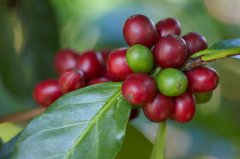
African coffee market promotion efforts in China African coffee market situation in China
International coffee chains are rushing to China with an eye on its growing coffee market. Take a coffee chain as an example. In just over a decade, its coffee chain in the mainland of China has grown from one to hundreds, and plans to triple its Chinese stores in the next five years. A long history of coffee cultivation, inexpensive coffee products, unique

Starbucks localizes coffee beans in China and upgrades domestic coffee supply chain
Professional coffee knowledge exchange more coffee bean information please follow the coffee workshop (Wechat official account cafe_style) November 4, Starbucks launched China's native coffee beans in the first session of China International Import Expo. It is understood that Starbucks chose Yunnan to try to build a supply chain from cultivation, production to baking. It is worth noting that despite the rapid development of coffee cultivation in Yunnan, and
A major breakthrough! Will Tims be lucky or Starbucks?
Despite the wave after wave of COVID-19 epidemic, China's catering industry has experienced the best parts and ups and downs in just a few years, which can not stop China's coffee market from becoming an important growth market for domestic and foreign coffee chains. In China's coffee market, various enterprises show their talents across the sea, in such a fierce competition.

The 26th World Coffee Science Congress held in Kunming
Liu Lianyu, president of the Export-Import Bank of China, Yu Dingcheng, vice chairman of the Provincial Committee of the Chinese people's political Consultative Conference and chairman of the Provincial Federation of Industry and Commerce, Sun Handong, academician of the Chinese Academy of Sciences, and other guests attended the opening ceremony. On behalf of the provincial government, he Duanqi welcomed the guests attending the meeting. He said that Yunnan is one of the earliest provinces in China to grow coffee, and has formed a complete industrial chain from planting, processing, consumption to marketing, the coffee industry.

How did coffee change from a niche product to a crazy money-making explosive?
Recently, coffee culture has begun to sweep across China, whether it is coffee shops that can be seen everywhere in the streets, coffee available in any convenience store, and instant coffee everywhere on supermarket shelves. So why can coffee shops tenaciously resist the impact of e-commerce and become the business model that really defeats Jack Ma? Coffee has always been made in China in the form of imported products.

Do you know the history of Chinese coffee culture? what is the development of coffee in China?
Professional coffee knowledge exchange more coffee bean information Please pay attention to coffee workshop (Wechat official account cafe_style) Coffee has entered China hundreds of years ago, but because it is an imported product, coffee has not been valued in China before, and I did not think that coffee will be developed into a choice for a new era in China. But in today's China, coffee has become a lot of fashion.

Boutique roaster opens a new era of coffee in China
According to the statistical report of the international coffee organization, China's coffee consumption is growing at a high speed of 16% a year. China imported 1.6 million bags of coffee from 2013 to 2014, about 9600 tons, ranking only 17th in the world. Coffee consumption in Europe and the United States is no one's annual 4kg, while that of Chinese is only 83g. It can be said that there is still a broad and huge consumption in China's coffee market.

China Coffee Network recommends Brazilian coffee imported Brazilian flavor Bourbon Brazilian flavor blended coffee
Brazilian coffee Brazilian coffee refers to coffee produced in Brazil. There are many types of Brazilian coffee, most of which are unwashed and dried. They are classified according to the state of origin and port of shipment. Brazil has 21 states, 17 of which produce coffee, but four of them produce the most, accounting for 98% of the country's total production. Brazilian coffee has a low acidity in its taste,

China's coffee output will double in the next five years
Executives at Volcafe, the coffee arm of EDF Man, the UK commodities trader, say annual coffee production in China will double in the next five years and may increase again if demand is sufficient and prices allow coffee farmers to make a profit. Volcafe announced last month the establishment of a joint venture in China's Yunnan Province. As traditional coffee producing areas suffer from diseases, insect pests and droughts, the supply is increased.

Analysis of Coffee demand data in China in recent five years
There are records of coffee in the poems of the late Qing Dynasty, such as the bamboo branch word "Kao Fei", which was popular in Shanghai at that time. Colored sugar is sweet and bitter, and westerners cook tea for each meal. In the 1920s and 1930s, some cafes have appeared in old Shanghai and Kunming. Coffee shops and cafes temporarily disappeared at the beginning of the founding of New China. After the reform and opening up

Has the real Blue Mountain Coffee never been exported to the Chinese market? introduction to Blue Mountain Coffee
Blue Mountain Coffee introduces Blue Mountain Coffee is the most superior coffee in the world. The Blue Mountains are located in the eastern part of the island of Jamaica, hence its name because it is surrounded by the Caribbean Sea. On clear days, the sun shines directly on the blue sea, and the peaks reflect the bright blue light of the sea. The highest peak of the Blue Mountains is 2256 meters above sea level, which is the highest in the Caribbean and also the highest in the Caribbean.